Red wine is one of the most diverse and fascinating categories in the world of wine, offering an impressive range of flavors, aromas, textures, and styles. From bold and full-bodied varieties to lighter wines with bright fruit characteristics, there is a red wine for nearly every palate and occasion. Learning the major types of red wine can make choosing a bottle easier and help wine lovers better understand what they enjoy. It can also make building a personal wine collection more rewarding.
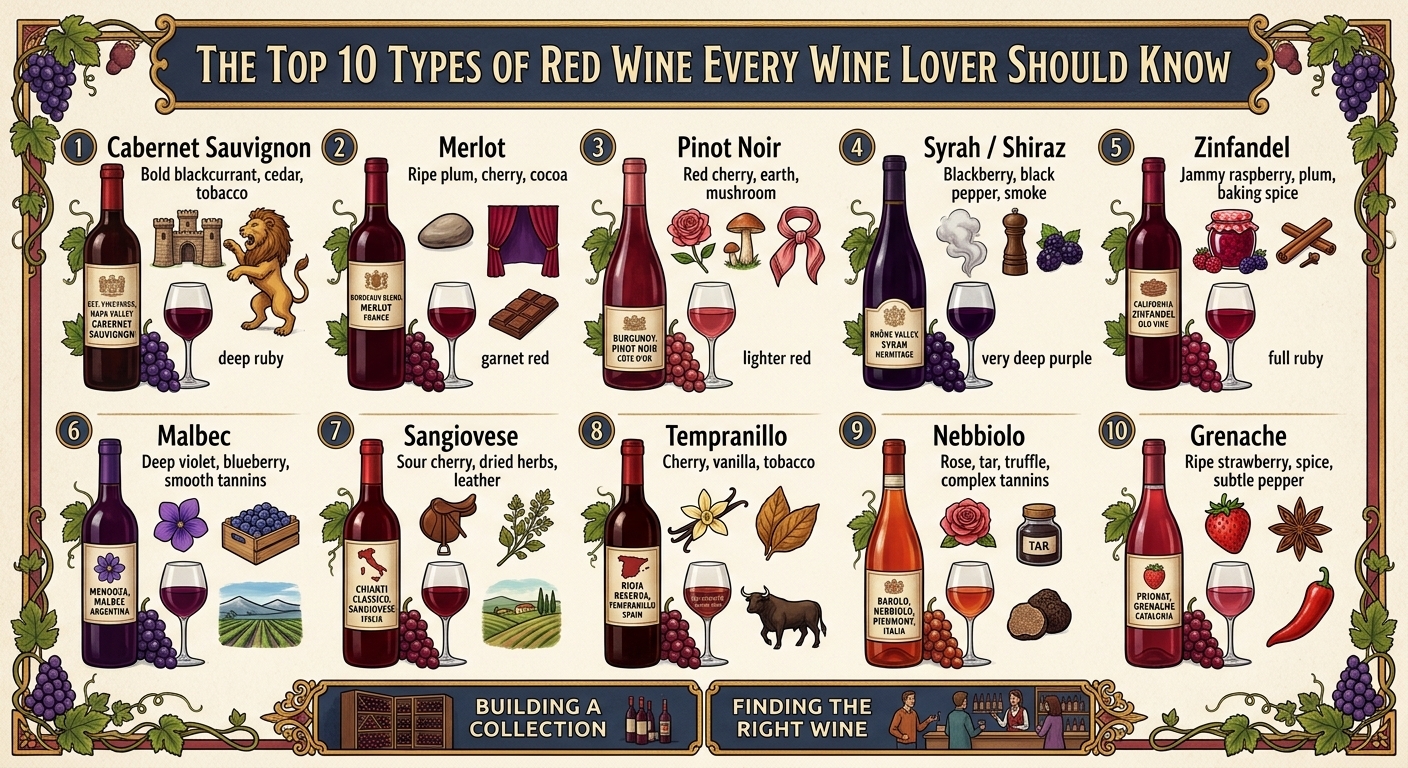
Cabernet Sauvignon is widely recognized as one of the most popular and influential red wine varieties. It is typically full-bodied, with flavors that can include blackcurrant, blackberry, plum, cedar, tobacco, and subtle spice. Cabernet Sauvignon often has noticeable tannins and good acidity, making it particularly suitable for aging. Bottles from different regions can develop distinct characteristics depending on climate, soil, winemaking techniques, and time spent in oak. For collectors who enjoy structured and powerful wines, Cabernet Sauvignon is an essential addition to a red wine collection.
Merlot is known for its smooth texture, approachable character, and generous fruit flavors. Common tasting notes include ripe plum, black cherry, blackberry, cocoa, vanilla, and herbs. Compared with Cabernet Sauvignon, Merlot generally has softer tannins, making it an appealing choice for both newer wine drinkers and experienced enthusiasts. It can range from medium-bodied and fruit-forward to rich and complex, depending on how it is produced. Merlot is also highly versatile with food, pairing well with roasted meats, pasta dishes, burgers, and a variety of cheeses.
Pinot Noir is a lighter-bodied red wine that is prized for its elegance, aromatic complexity, and silky texture. Typical flavors include red cherry, raspberry, strawberry, cranberry, earth, mushroom, and subtle spice. Although it can be lighter in body than many other red wines, high-quality Pinot Noir can offer remarkable depth and complexity. Its relatively delicate structure also means that proper storage conditions are important, particularly for bottles intended for aging. A temperature-controlled wine cellar or reliable wine cooler can help protect Pinot Noir from excessive heat and temperature fluctuations.
Syrah, also known as Shiraz in several wine-producing regions, is a bold red wine with intense fruit, spice, and savory characteristics. Depending on where it is grown and how it is made, Syrah can feature blackberry, blueberry, black plum, pepper, smoked meat, herbs, and dark chocolate notes. It generally has a medium-to-full body with firm tannins and enough structure to develop complexity over time. This makes Syrah an excellent option for wine enthusiasts who prefer rich, powerful flavors. Proper storage in a wine cellar can help preserve its character while allowing suitable bottles to mature gracefully.
Zinfandel is a versatile red wine variety known for its ripe fruit flavors and distinctive personality. Red Zinfandel can range from medium-bodied wines with fresh berry flavors to rich, jammy styles with higher alcohol and intense fruit concentration. Common tasting notes include blackberry, raspberry, cherry, plum, pepper, and baking spice. Some examples are particularly bold and luscious, while others offer a more balanced and restrained profile. Because Zinfandel styles can vary considerably, exploring bottles from different producers and regions can reveal a surprisingly broad range of flavors.
Malbec has become particularly associated with Argentina, where the grape produces deeply colored wines with rich fruit flavors and a smooth, substantial texture. Many Malbec wines feature blackberry, blueberry, plum, violet, cocoa, and spice notes. They often provide a satisfying combination of fruitiness, moderate acidity, and noticeable tannins without being excessively sharp. Malbec is especially popular alongside grilled meats, making it a natural choice for barbecues and hearty dinners. For wine lovers who enjoy dark-fruited reds with an inviting texture, Malbec deserves a place among the essential red wine varieties.
Sangiovese is the principal grape associated with many classic Italian red wines and is recognized for its bright acidity and savory character. Its flavor profile can include sour cherry, red plum, cranberry, herbs, leather, earth, and spice. Rather than relying solely on heavy fruit flavors, Sangiovese often delivers a balanced combination of acidity, tannins, and earthy complexity. This makes it particularly enjoyable with tomato-based pasta, pizza, roasted vegetables, and other Italian-inspired dishes. Collectors interested in food-friendly wines and traditional European wine styles should become familiar with Sangiovese.
Tempranillo is one of Spain's most important red wine grapes and is responsible for many structured and age-worthy wines. Young examples can show flavors of cherry, strawberry, plum, and herbs, while wines aged in oak may develop notes of vanilla, leather, tobacco, coconut, and spice. Tempranillo commonly offers moderate acidity and firm but manageable tannins, creating a balanced drinking experience. Its ability to evolve with bottle age makes it especially interesting for collectors. Storing quality Tempranillo in a stable wine cellar or temperature-controlled wine cooler can help maintain the wine's intended aging environment.
Nebbiolo is an Italian red grape famous for producing wines with high acidity, pronounced tannins, and remarkable aging potential. Despite its relatively pale color, Nebbiolo can deliver considerable structure and aromatic complexity. Typical aromas and flavors include red cherry, rose, violet, licorice, tar, herbs, and earthy undertones. Young Nebbiolo can be firm and tightly structured, but extended aging can transform it into a more complex and refined wine. Because temperature, light, humidity, and bottle position can influence long-term wine storage, serious collectors can benefit greatly from a properly designed wine cellar.
Grenache is another important red wine variety that can produce wines ranging from medium-bodied and fruit-forward to rich and powerful. It commonly displays flavors of ripe strawberry, raspberry, cherry, plum, dried herbs, spice, and sometimes subtle pepper. Grenache often has relatively high alcohol and generous fruit characteristics, while its texture can remain smooth and inviting. It is frequently used in blends as well as single-variety wines, giving wine lovers many styles to explore. Its versatility makes Grenache an excellent choice for anyone looking to expand beyond the most familiar red wine varieties.
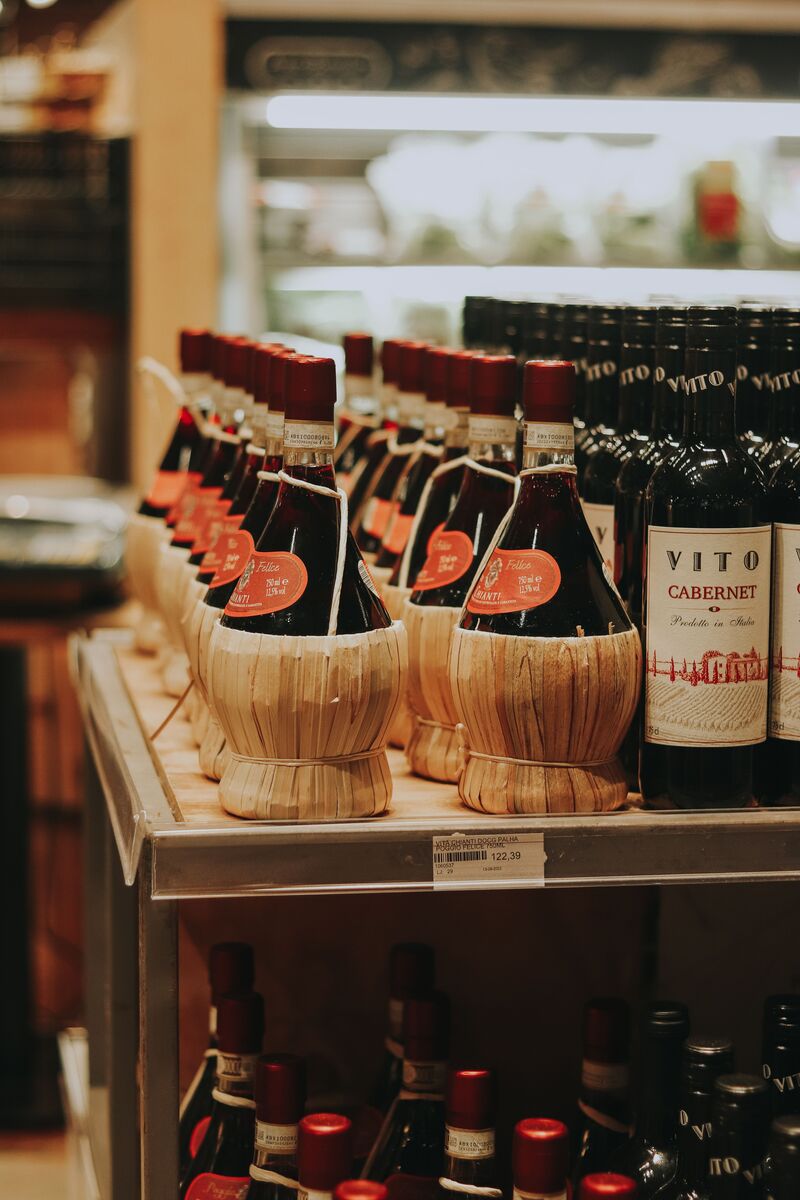
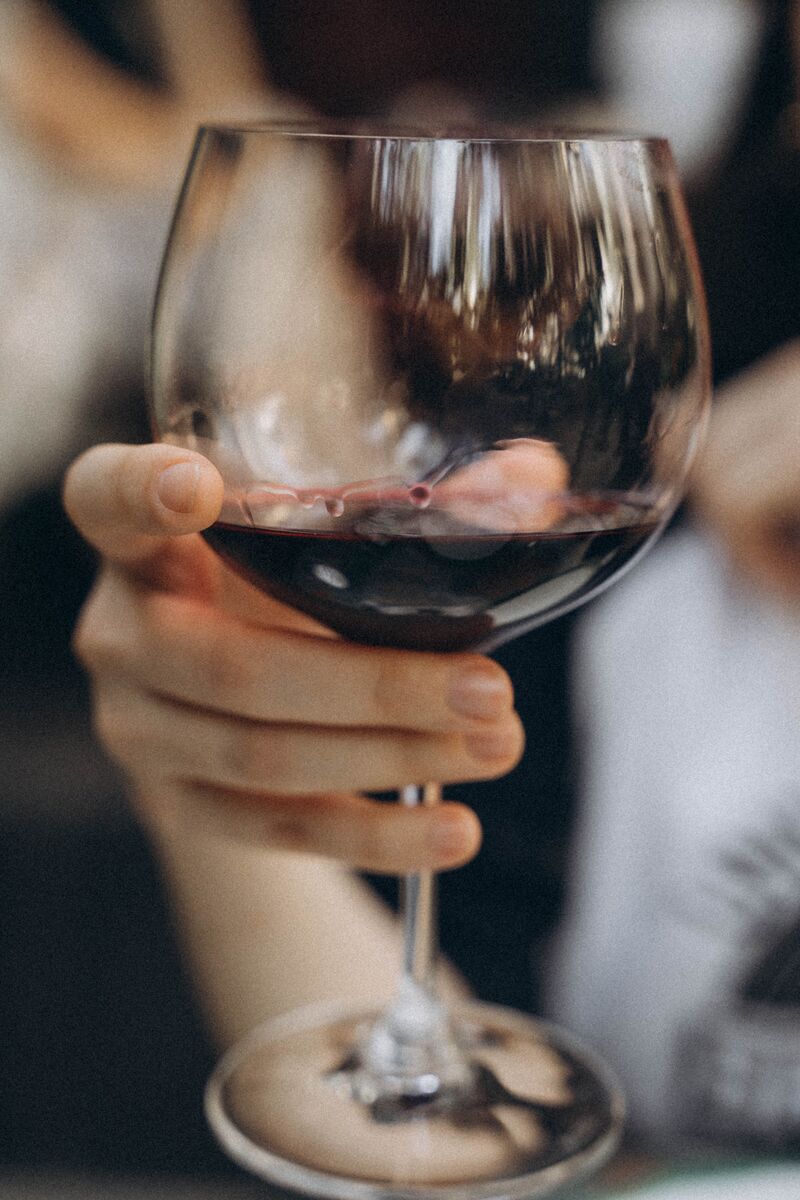
Exploring different red wine varieties is easier when a trusted wine store offers a broad selection of bottles from different regions and producers. A knowledgeable wine retailer can help shoppers compare grape varieties, vintages, regions, flavor profiles, and price points. Wine lovers can also use tasting notes and food-pairing information to discover styles that match their preferences. Whether searching for an everyday bottle or a special vintage, understanding the differences between red wines makes the selection process more enjoyable.
Each red wine variety can bring something different to a meal, celebration, tasting session, or quiet evening at home. Cabernet Sauvignon and Syrah are excellent choices when a bold and structured wine is desired, while Pinot Noir and Merlot can provide softer and more approachable experiences. Malbec and Zinfandel can complement flavorful grilled foods, whereas Sangiovese and Tempranillo can work especially well with savory meals. Exploring different varieties instead of repeatedly choosing the same bottle can also help wine lovers identify preferred flavors and textures. Keeping several styles available in a wine cellar or wine cooler makes it easier to select the right bottle for any occasion.
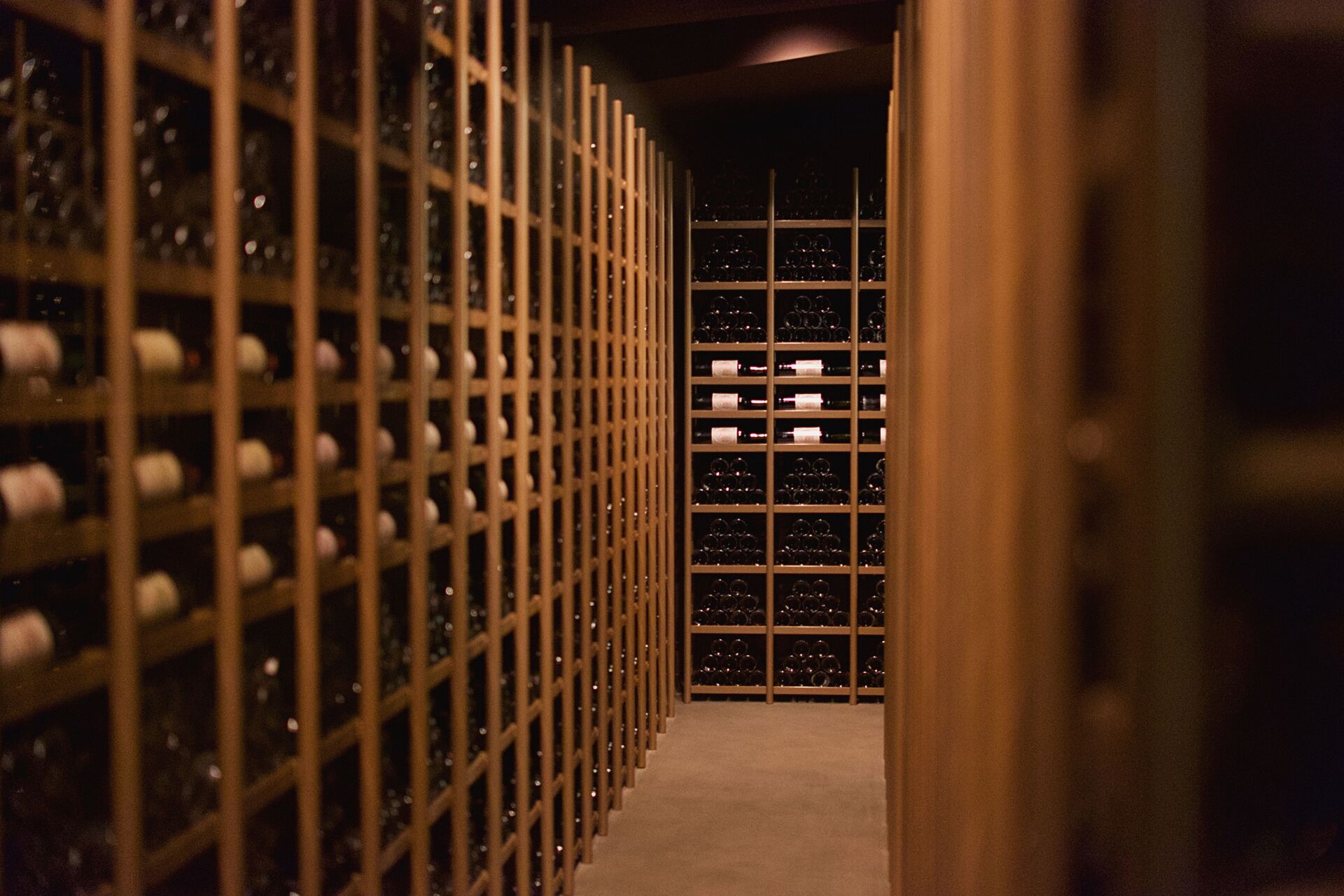
Discovering the top types of red wine is only part of developing a rewarding wine collection because proper storage can be equally important. Wine can be sensitive to heat, sunlight, vibration, and significant temperature changes, all of which may negatively affect its quality over time. A dedicated wine cellar provides a controlled environment for storing valuable bottles, while a wine cooler offers a practical solution for homes with limited space. Temperature-controlled storage is particularly useful for collectors who purchase multiple bottles or keep wines intended for future enjoyment. Investing in suitable storage helps preserve the flavors, aromas, and overall condition of carefully selected red wines.
A well-rounded red wine collection does not have to consist entirely of expensive or rare bottles. Start with several major varieties, then gradually explore different regions, vintages, producers, and winemaking styles to discover personal favorites. Keeping notes about preferred wines, tasting characteristics, and memorable pairings can make future purchases more intentional. A properly maintained wine cellar provides greater storage capacity for collectors, while a compact wine cooler can be ideal for maintaining a smaller selection at consistent serving or storage temperatures. Over time, understanding these ten red wine varieties can turn casual bottle shopping into a more informed and enjoyable wine journey.
Cabernet Sauvignon, Merlot, Pinot Noir, Syrah, Zinfandel, Malbec, Sangiovese, Tempranillo, Nebbiolo, and Grenache represent just some of the fascinating styles available to wine enthusiasts. Each variety offers its own combination of aroma, flavor, acidity, tannins, body, and aging potential, making the world of red wine exceptionally diverse. Learning these fundamental categories provides a useful foundation for exploring more specialized grapes, regional styles, blends, and vintages. With the right bottles and proper wine storage, every tasting can become an opportunity to discover something new. For anyone passionate about wine, understanding these ten varieties is an excellent first step toward building a knowledgeable and enjoyable red wine collection.
